Embrace Effective Parenting Strategies for Everyday Success
Parenting doesn’t come with a one-size-fits-all manual. But there are proven strategies that can help you handle daily challenges with grace and patience. One of the most important things I’ve learned is the power of consistency. Kids feel safer and more secure when they know what to expect. Setting clear rules and routines helps them understand boundaries and develop self-discipline.
For example, having a consistent bedtime routine can make evenings smoother. Try a calming activity like reading a story or listening to soft music before lights out. This not only helps your child wind down but also strengthens your bond.
Another key strategy is positive reinforcement. Instead of focusing on what your child did wrong, celebrate their efforts and achievements. A simple “I’m proud of how you shared your toys today” can boost their self-esteem and encourage good behavior.
Set clear, consistent rules
Establish daily routines
Use positive reinforcement regularly
These small steps create a foundation of trust and respect that benefits your whole family.

Building Strong Communication with Your Child
Have you ever wondered how to get your child to open up about their feelings? Communication is the heart of any strong relationship, including the one with your child. It’s not just about talking but also about listening with empathy and patience.
Try to create moments where your child feels heard without judgment. Ask open-ended questions like, “What was the best part of your day?” or “How did that make you feel?” These questions invite them to share more than just yes or no answers.
Remember, body language speaks volumes. Get down to their eye level, maintain gentle eye contact, and nod to show you’re engaged. This nonverbal communication reassures your child that you’re fully present.
If your child struggles to express themselves verbally, encourage creative outlets like drawing or storytelling. Sometimes, a picture can say what words cannot.
Use open-ended questions
Practice active listening
Encourage creative expression
By fostering open communication, you help your child develop emotional intelligence and trust.
Creating a Nurturing Environment at Home
A nurturing environment is more than just a clean and safe space. It’s about creating a warm atmosphere where your child feels valued and supported. This kind of environment encourages curiosity, learning, and emotional growth.
Start by making your home a place where mistakes are seen as opportunities to learn, not reasons for punishment. When your child spills juice or forgets a chore, respond with calmness and guidance rather than frustration.
Incorporate learning into everyday activities. Cooking together can teach math and science concepts, while gardening introduces responsibility and patience. These shared experiences build skills and memories.
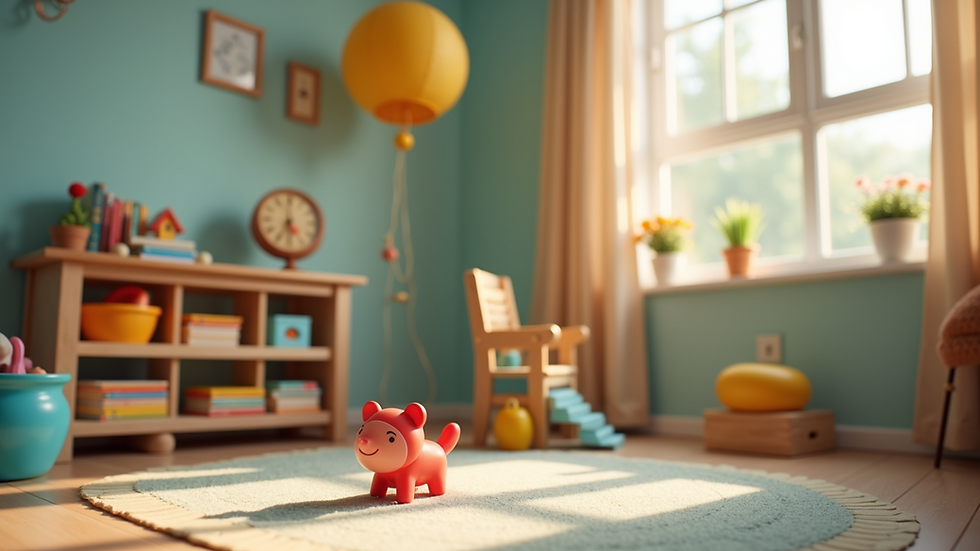
Also, consider the physical space. A well-organized play area with accessible toys and books invites independent exploration. Soft lighting and cozy corners can provide comfort during quiet moments.
How to Handle Challenging Behaviors with Compassion
Every parent faces moments when their child’s behavior tests their patience. It’s normal to feel overwhelmed, but responding with compassion rather than anger can transform these situations.
When your child acts out, try to understand the root cause. Are they tired, hungry, or feeling ignored? Sometimes, what looks like misbehavior is actually a call for attention or help.
Use calm, clear language to set limits. For example, instead of saying “Stop that!” try “I see you’re upset, but hitting is not okay. Let’s find a better way to express your feelings.”
Offering choices can also empower your child and reduce power struggles. “Would you like to put on your shoes first or your jacket?” gives them a sense of control.
Remember to model the behavior you want to see. Show kindness, patience, and respect in your interactions. Children learn a lot by watching us.
Identify triggers behind behavior
Use calm, clear communication
Offer choices to empower your child
Model positive behavior consistently
These approaches help build emotional resilience and cooperation.
Supporting Your Child’s Development Every Step of the Way
Watching your child grow and learn is one of the greatest joys of parenting. Supporting their development means being attentive to their needs and providing opportunities to explore new skills.
Encourage curiosity by asking questions and exploring answers together. If your child shows interest in animals, visit a local zoo or read books about wildlife. These experiences spark imagination and knowledge.
Physical activity is also crucial. Play outside, dance, or try simple exercises to build strength and coordination. Active kids tend to sleep better and have improved focus.
Don’t forget the importance of social skills. Arrange playdates or group activities where your child can practice sharing, cooperation, and empathy.
Lastly, celebrate milestones, big and small. Whether it’s tying shoelaces or learning to count, acknowledging progress boosts confidence and motivation.
Foster curiosity with exploration
Promote physical activity daily
Encourage social interactions
Celebrate developmental milestones
By staying engaged and supportive, you help your child build a strong foundation for lifelong learning.
Your Next Steps Toward Confident Parenting
Parenting is a beautiful, ongoing adventure. It’s okay to seek support and learn new ways to connect with your child. If you’re looking for more parenting tips tailored to your family’s needs, resources like Sweet Dream Family Childcare can be a wonderful partner. They offer a nurturing and stimulating environment where children develop essential skills and thrive.
Remember, every small step you take makes a big difference. Keep your heart open, your patience steady, and your love abundant. You’re doing an amazing job, and your child is lucky to have you by their side.
Here’s to growing together and making every moment count!


Comments